
The New Age
What happens in our bodies as we age
HAIR/SCALP
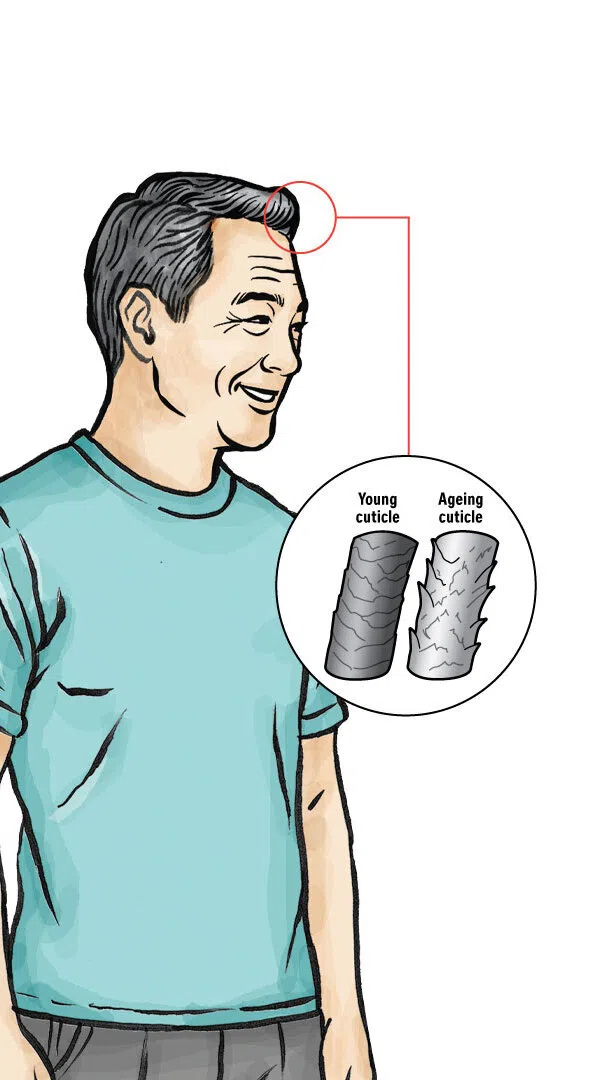
The changes are greying, dryness, thinning, loss of volume, textural changes. These may sometimes result in rough, brittle and frizzy hair. These changes are due to a combination of genetics, hormonal shifts, and biological slowing of the scalp’s cellular environment. A diet rich in iron, zinc, protein and omega-3 fatty acids can help rejuvenate hair and scalp.
EYES
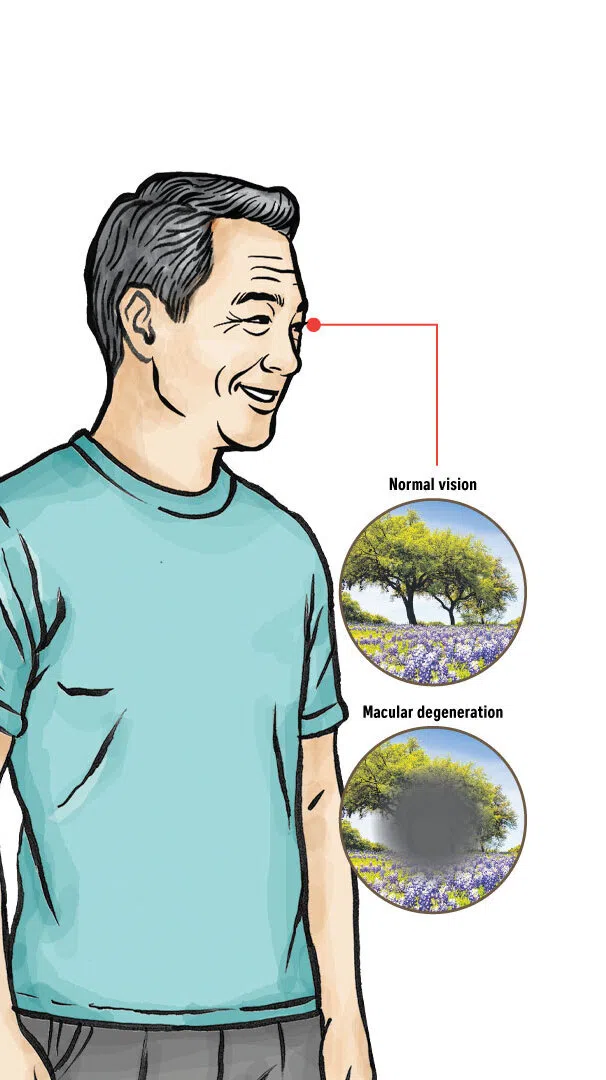
Muscles controlling near vision become less flexible. Eyes become drier. Risk of conditions like cataracts and macular degeneration increases. Eyelid muscles and the eye’s vitreous – the gel-like substance in the eyeball – undergo structural changes, leading to drooping eyelids and the appearance of floaters. Glasses, contact lenses, and better lighting can help mitigate some of the problems. Sunglasses and eye drops may help eyes that are sensitive to light, wind or temperature changes.
NOSE
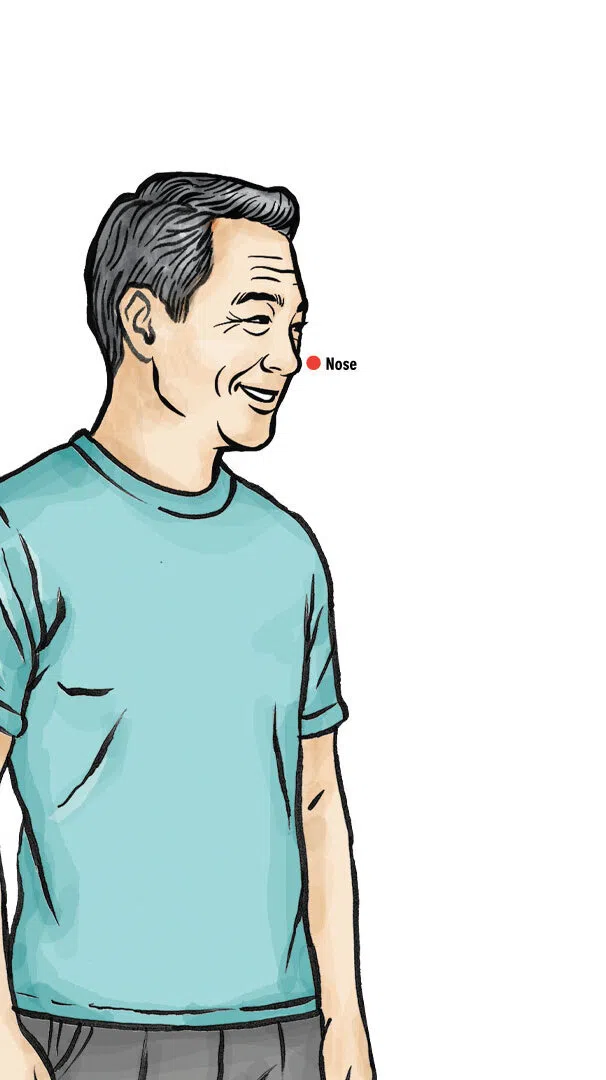
Lengthens and droops because the supporting cartilage weakens and the skin loses elasticity. May appear disproportionately large as fat is lost and bone becomes less dense in the cheeks and lips over time. Lining inside the nose thins, reducing mucus production and blood circulation. This may lead to dryness and crusting.
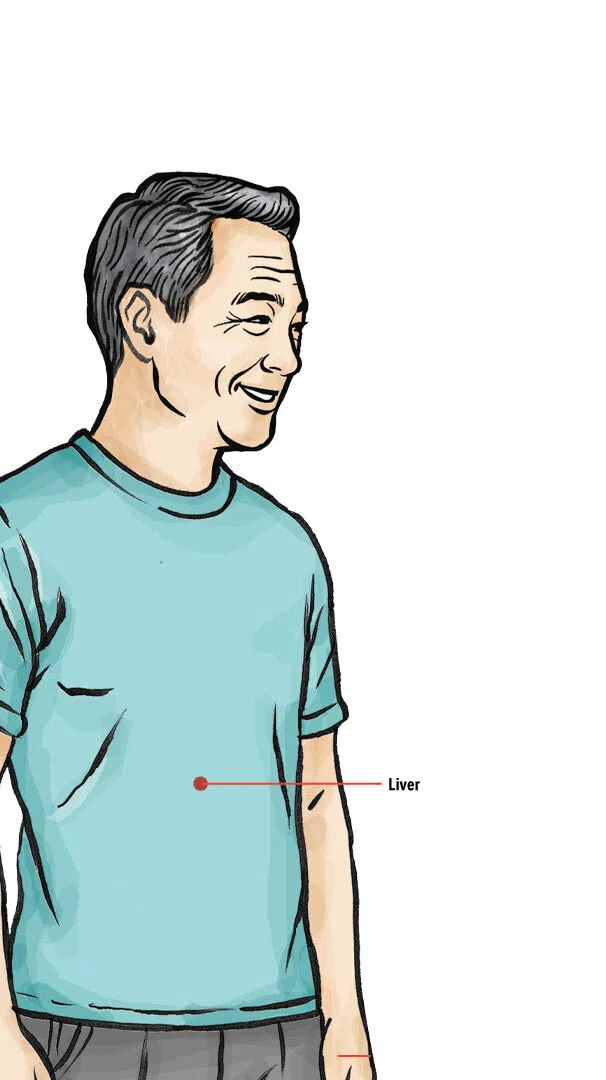
LIVER
Reduced blood flow and slower cellular repair means the liver is less able to filter toxins, metabolise medications and alcohol, and recover from injuries. These make one more susceptible to chronic liver diseases. By age 75, the liver can shrink by up to 40%, blood flow through the organ decreases by 30% to 40%, and bile flow is altered, increasing the likelihood of gallstone formation.
Mouth/Teeth/Gums
Thinning enamel
Years of chewing and grinding wear down the hard outer layer of the teeth, exposing the yellow dentin underneath, making teeth appear darker and more sensitive to hot or cold foods.
Teeth can get chipped, worn or cracked.

Dry mouth
Saliva production decreases, making the mouth more prone to bacterial infection, tooth decay and bad breath. To combat dry mouth, dentists advise chewing sugar-free gum to stimulate saliva production or sipping water throughout the day.
Receding gums
Gums pull back from the teeth over time, exposing sensitive roots that are highly vulnerable to decay.
Change in taste
Reduced senses of taste and smell are common in older adults, affecting appetite and nutrition.
What you can do: To combat ageing teeth and gums, use a soft-bristled toothbrush and fluoride toothpaste twice daily. Dental implants, bridges and dentures can replace damaged or missing teeth.
Brain
Structural and cellular changes
The overall volume of the brain decreases.
The protective, insulating coat on nerve fibres breaks down and individual neurons shrink, disrupting brain circuits responsible for learning, perception and memory.
Chemical changes
Fewer chemical messengers, such as dopamine and serotonin, are produced, impacting mood, memory and focus.
Falling hormone levels affect brain function and cognition.
Cognitive changes
Deeply ingrained habits and long-term memories stay largely intact, while retention of new, short-term information becomes a challenge.
What you can do: Aerobic exercises increase blood flow and grow the brain’s memory centre; learning a new skill challenges the mind; and a nutrient-rich diet can promote new brain cell growth and protect neural pathways.
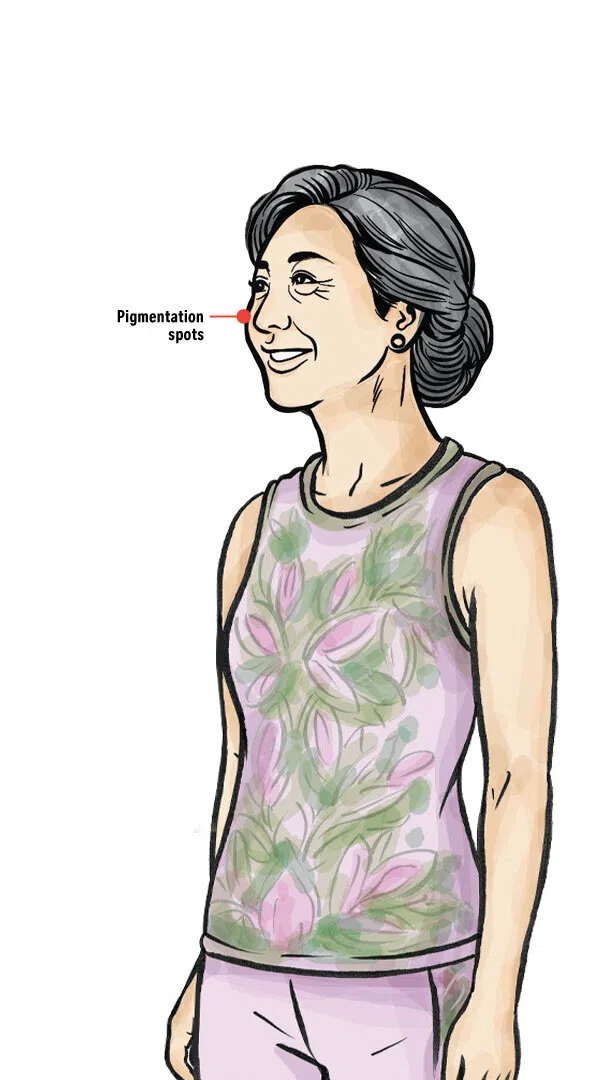
SKIN
Changes include: Loss of protective fat layer, causing skin to become more fragile, easily bruised and prone to pigmentation spots; loss of collagen and elastin, resulting in wrinkles, thinning and sagging; reduced oil production causes dryness and itchiness.
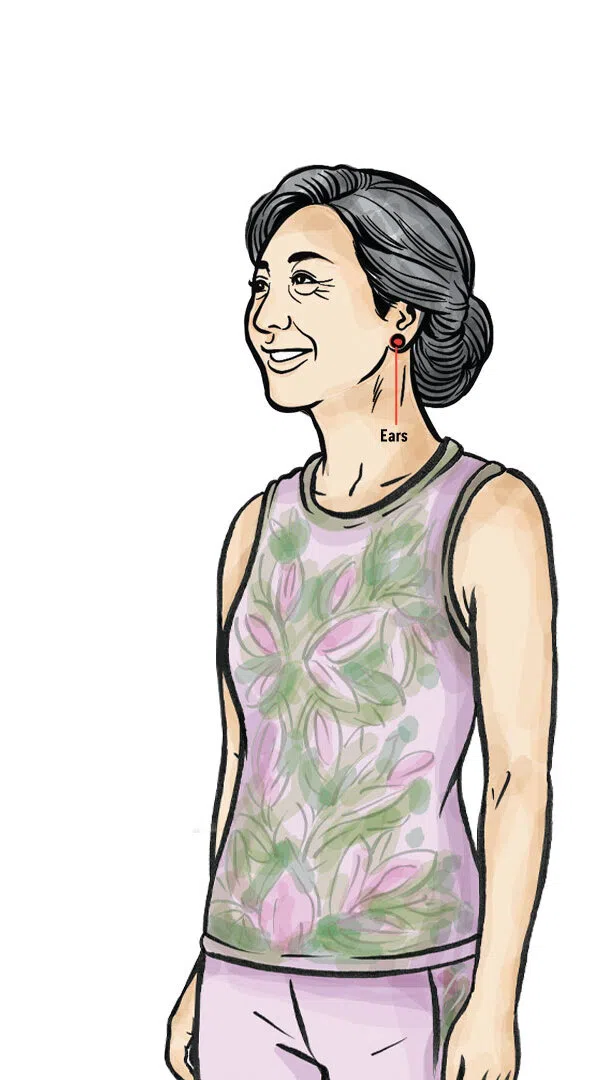
EARS
Cartilage breaks down and skin loses elasticity, causing earlobes to sag. Structures such as the eardrum loosen. Sensory hair cells in the inner ear gradually degenerate, often resulting in hearing loss and balance issues. Hearing aids are a treatment option for age-related hearing loss, as these devices amplify sounds selectively based on specific hearing loss patterns.
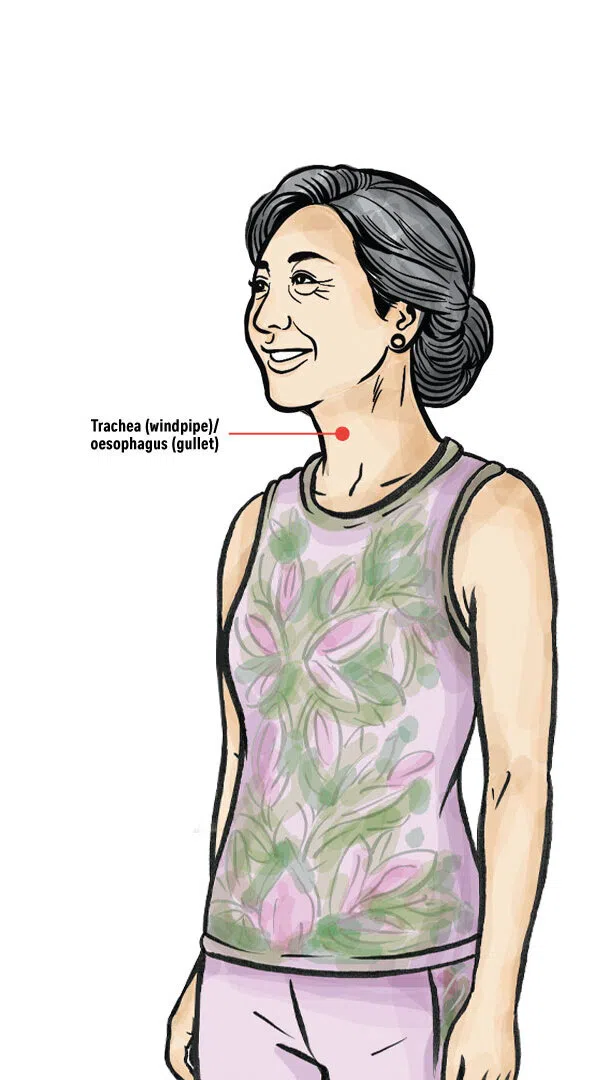
TRACHEA (WINDPIPE)/OESOPHAGUS (GULLET)
Loss of elasticity, muscle strength and flexibility means one becomes more susceptible to acid reflux, risk of choking increases, and swallowing is slower.
STOMACH/INTESTINES
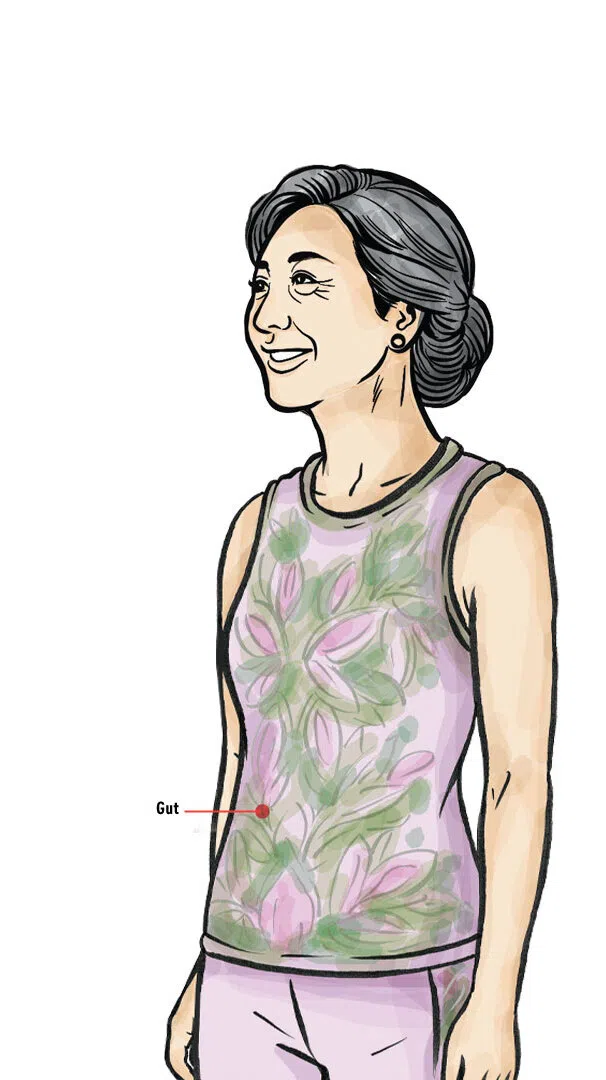
Changes include: The digestive tract slows down; gut bacteria balance changes, with the decrease in beneficial bacteria contributing to chronic age-related inflammation; ability to absorb nutrients is reduced, in particular vitamin B12, iron and calcium, as stomach acid decreases and intestinal lining becomes less protective; the muscles are more lax and contents in the gut move more slowly, significantly increasing the likelihood of chronic constipation.
Heart
Stiffening of vessels can raise blood pressure and increase the workload on the heart muscle.

Less flexible heart muscle means the heart takes longer to relax after each beat, which impacts its ability to fill with blood properly.

Lungs
The lungs lose elasticity, the ribcage stiffens and breathing muscles weaken, making it harder for the lungs to fully expand and contract. This reduces overall lung capacity, decreases oxygen absorption and weakens the immune system, making it harder to breathe, especially during physical exertion.
The lungs’ natural clearing mechanisms, such as the cough reflex, become less sensitive, increasing vulnerability to respiratory infections.
What you can do: Practising specific breathing exercises, staying physically active and maintaining good hydration can prevent these issues from developing.
Bones/Spine/Joints
Bones shrink in size, lose essential minerals like calcium and decrease in density. They become brittle, significantly raising the risk of fractures even from minor bumps or falls.
The body removes old bone faster than it can create new bone, leading to osteoporosis.
What you can do: To protect ageing bones, focus on dietary nutrition, weight-bearing exercise and fall prevention. With weight training, bones can increase in density.

Spine
Loses mineral content and becomes thinner.

Gel-like discs between the vertebrae lose fluid and flatten, which is why people often lose height and develop a more curved posture as they age.
What you can do: By focusing on core stability, low-impact back extensions and lower-body strength, the spine can be strengthened.
Knees, hips and shoulders
These joints lose their flexible cushioning from cartilage wear.
Synovial fluid – the lubricating fluid in joints – decreases.
These lead to stiffness; restricted range of motion; and osteoarthritis – wearing down of the protective cartilage cushioning the ends of bones.

Sexual function/Hormones
Erectile changes include taking a longer time to achieve erection and less rigidness than in younger years.
Need for more direct stimulation.
Drop in testosterone levels, sexual desire and semen volume.
In women
Decrease in oestrogen levels leads to a decline in fertility and triggers physical changes in the reproductive organs.
Vaginal walls become thinner and less elastic, and natural lubrication decreases, making intercourse painful.
What you can do: Improving ageing sexual function requires a combination of lifestyle changes, targeted medical treatments and adapted intimacy.
While ageing is often linked to physical decline, the older body and mind actually undergo several positive changes. These include having a stronger immune memory to fight recurring infections, improved emotional regulation and stronger social skills. The mature brain also creates new neural pathways, helping an older person to solve problems better.

PRODUCED BY: JUDITH TAN, LIM YONG, CHNG CHOON HIONG
